Healthy eating is in the vogue right now, and that has led to a rise in the demand for organic products. Many farmers today are shifting to organic farming because there’s a huge market for that. The first step that most take is joining organic farming training in Nagpur. In fact, that’s the easiest part of this journey. Once you pass your training programme, you gain the necessary skills to start your own farm. However, simply having a certificate never guarantees success. You’ve understood the principles and have seen the techniques in action already. It’s now time that you put your knowledge to good use and start an organic farm that’s actually profitable. But even after training, that feels scary and uncertain for a lot of people. Luckily, we’ve got you covered. Let’s go over some simple steps to start your own organic farm – straight out of the training programme.
Planning Your Organic Farm: Tips for Success
Start with land assessment, not planting
The first instinct that many farmers have is to start planting the crops immediately. They don’t really study the land, the soil, and the climate enough. That’s a mistake. Every farm depends on the land it stands on. When you begin, this is what you have to consider:
- Soil type and texture
- Water availability and drainage
- Sunlight exposure across the plot
- Wind direction and natural shade
- Existing vegetation and biodiversity
- Buffer zone near by farms
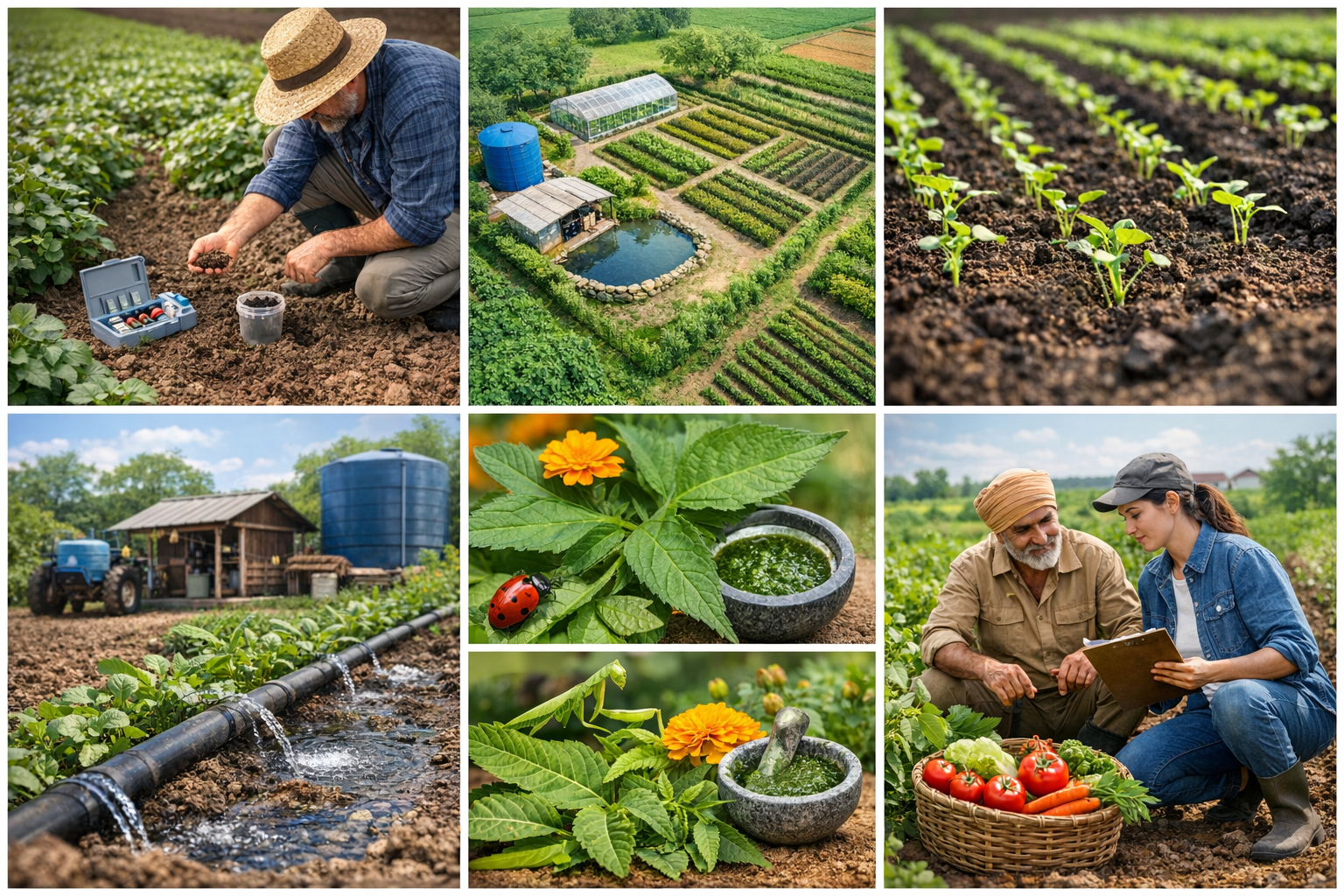
The best way to do it is taking soil samples if possible. Not just organic farming, any kind of farming heavily depends on soil health. Its all about scientific way of organic farming. Testing parameters such as soil PH, organic carbon content, EC, Available Nitrogen Phosphrous, Potassium, Calcium Carbonates, You have to understand the soil structure and the kind of crops you can plant there. This sets you on a clearer path to a healthy produce.
Decide what you want to grow
Once you begin organic farming, you’d come across a wide variety of crops that you can plant. But just because you can, doesn’t mean you should. Having a clear focus is more important than variety, especially when you’re just starting out. Choose the crops you want to plant based on:
- Local climate and season
- Soil compatibility
- Market demand in domestic and export
- Your level of comfort with the crop
The best course of action is to start with 2 to3 crops so that you don’t spread yourself too thin. Once you gain enough experience, you can gradually expand the varieties.
Plan your farm layout carefully
You must have learned this in your training, but now you have to put that knowledge in practical use. A good farm layout is more than simply planting rows. It should ideally include:
- Local climate and season
- Soil compatibility
- Market demand
- Crop adaptability in particular location
When you plan the layout, ensure that every part of the farm is easily accessible. It simplifies the work for your workforce, which results in increased productivity.
Set up a reliable water system
For any sort of farm, water is the most crucial resource. Organic crops in particular rely on balanced moisture. You can’t just drench the plants in water and expect a healthy produce. You need to plan for:
- Drip irrigation for efficient water use
- Rainwater harvesting technique
- Water storage tanks or ponds
- Scheduling based on crop needs
You also need to pay enough attention that you don’t overwater the crops. That can lead to root diseases and weak plant growth.
Build your soil before you scale
If you are expecting high yields, you must prepare the soil accordingly. Start with:
- Drip irrigation for efficient water use
- Rainwater harvesting
- Water storage tanks or ponds
- Scheduling based on crop needs
Even if you’re running out of patience, don’t rush this stage. You need the soil to be strong. It helps in multiple ways including pest resistance and plant resilience.
Plan for natural pest and disease management
Organic farming doesn’t really eliminate pests or plant diseases. However, the management techniques differ from traditional farming. You need to prepare in advance. Try:
- Growing pest-repellent plants
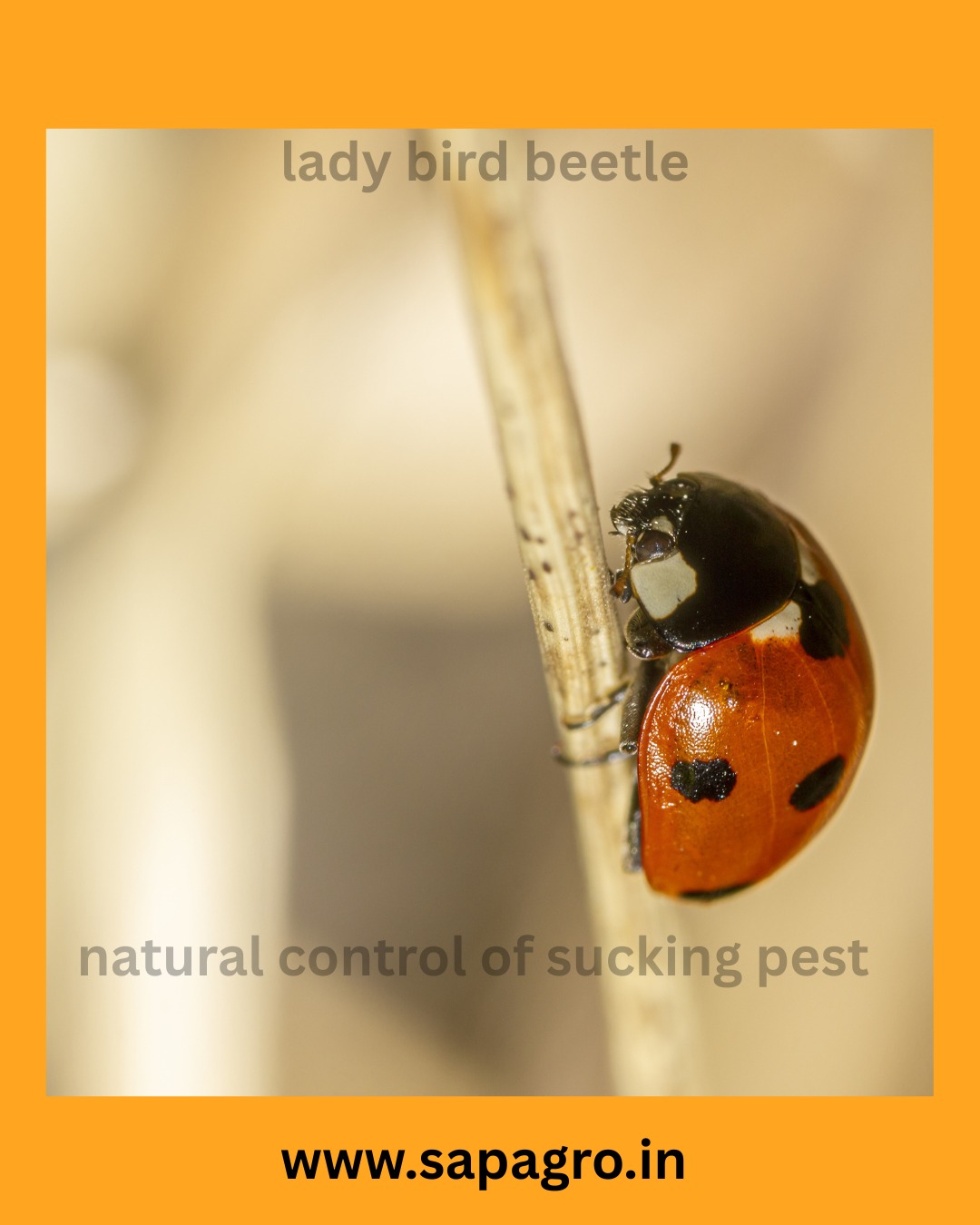
- Encouraging beneficial insects
- Using neem-based and biological sprays
- Monitoring crops regularly
Keep an eye on your farm so that you can detect pests or disease infestation quickly. That way, you buy yourself more time to control the spread naturally.
Start small and then expand
Once farmers complete their training, they’re usually overjoyed, and in some cases, over-enthusiastic. They often want to start big. But here’s the catch: large-scale farming without sufficient experience isn’t really an easy task. Instead, here’s what you should do:
- Growing pest-repellent plants
- Encouraging beneficial insects
- Using neem-based and biological sprays
- Monitoring crops regularly
Success cannot be fast-tracked. The sooner you understand that, the better results you can expect.
Final Thoughts
Starting your first organic farm is a mix of excitement and uncertainty. The key is to move step by step, not all at once. Understand your land, plan your crops carefully, build strong soil, and stay consistent in your approach. With the right planning and patience, your farm can grow into a stable, productive, and rewarding system that reflects everything you’ve learned—and everything you continue to learn along the way.
if you want to enquire on organic farming training, certification and farm consultancy related enquiry contact SAP Agro Services, We are the 17+ years of experience in organic farming