Soil is often thought of simply as dirt, yet it is one of the most important, and fragile, base supports of life. Below the surface is a complete world of microbes, minerals, and organic matter, which draws nutrients, promotes plant growth, stores carbon, and sustains ecosystems. When soil is healthy, society thrives; when soil is degraded, food systems suffer.
Today, the global food system relies on the ability to protect and build back this living foundation. There is increased food demand on a limited amount of farmland, so our ability to understand and restore soil is more important than ever. That is what we are working toward with our sustainable soil-based solutions. Together, we can rebuild the life of the Earth beneath us, and preserve a healthier existence for all!
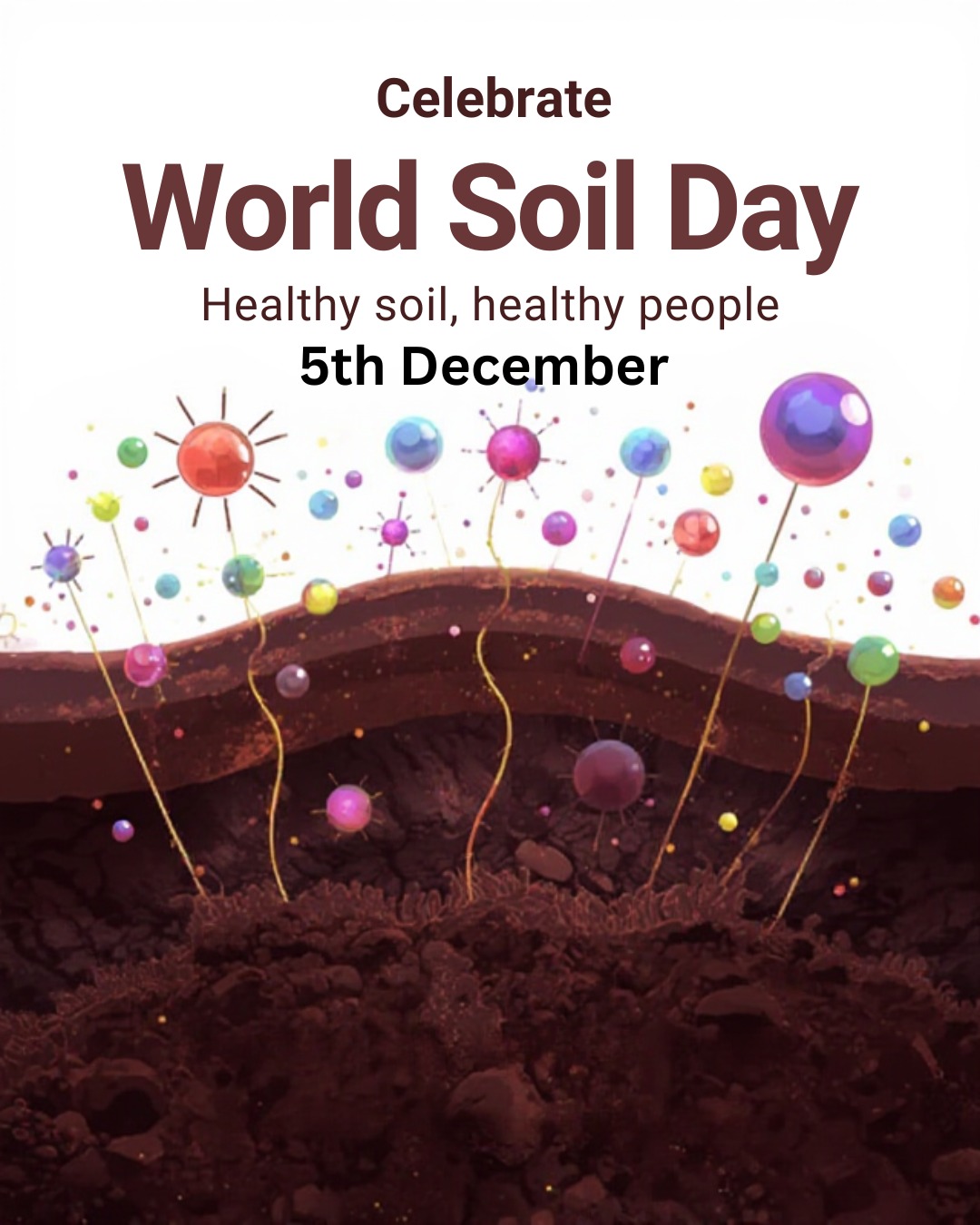
We celebrate World Soil Day (WSD) annually on 5 December to raise global awareness about the role soils play in agricultural development, ecosystem functions and food security.
Over 95 %of our food comes from soils. Besides, they supply 18 naturally occurring chemical elements essential to plants.
This World Soil Day 2025 focuses on urban landscapes with the theme “Healthy Soils for Healthy Cities.” Beneath asphalt, buildings, and streets lies soil that, if permeable and vegetated, helps absorb rainwater, regulate temperature, store carbon, and improve air quality. But when it’s sealed with cement, it loses these functions, making cities more vulnerable to flooding, overheating, and pollution.
Sustainable soil management practices, reduce erosion and pollution, and enhance water infiltration and storage. They also preserve soil biodiversity, improve fertility, and contribute to carbon sequestration, playing a crucial role in the fight against climate change.
From Soil to Survival: Understanding the Foundation of Our Food System
Healthy Soil is the foundation of every food system. It’s working tirelessly beneath our feet to support plant growth, store nutrients, regulate water, and sustain the ecosystems that feed humanity. When soil is healthy, crops grow well, but when it is degraded, the entire food chain and society is at risk.
Soil as a Living Ecosystem
Soil is more than just dirt — it’s crawling with bacteria, fungi, insects and organic matter. Such organisms decompose nutrients, add structure and aid in natural plant growth.
Foundation of Crop Growth
Soil health supplies minerals, water and physical support for plants. Crops and plants thrive more quickly and robustly when the soil is fertile and structured.
Threats from Soil Degradation
Chemical over usage, monoculture and continuous farming, deforestation, and erosion all lower the fertility of the soil. Impoverished soils yield weaker crops, which leaves the food supply more precarious.
Rising Dependence on Chemical Inputs
Once soil starts losing its natural nutrients, farmers depend even more heavily on fertilizers and pesticides. And this results in a downward spiral of soil health with higher and higher production costs.
Simple Methods to Rebuild Soil Structure and Strength
Adding Organic Matter to Restore Soil Texture
Organic matter, for example, compost, crop residues, and bio-based amendments, unites soil particles of a structure and thus improves the aeration, water retention, and nutrient supply. We facilitate this process by delivering premium-quality organic inputs that are designed to not only enrich soil texture but also to make the soil fertile for a longer time
Boosting Microbial Life for Stronger Soil Biology
The basis of soil is formed by microbes living in the soil, they break down the nutrients, defend the roots, and contribute to soil formation. We help to expand this biological community by providing soil enhancers rich in microbes which attract beneficial bacteria and Fungi. These inputs revitalize overused soils, enhance nutrient cycling, and help farmers naturally restore their degraded lands.
Encouraging Crop Rotation and Diversity
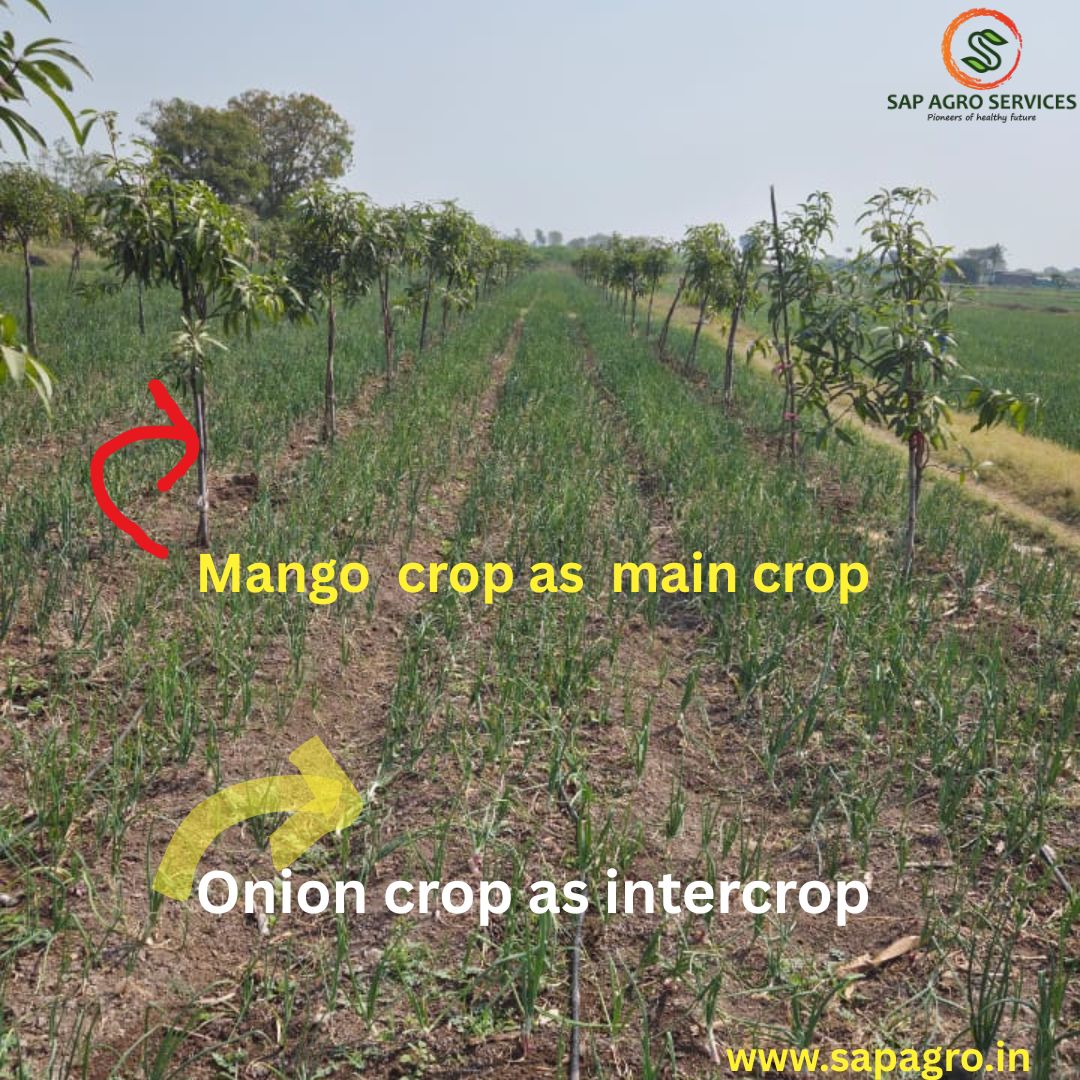
Crop rotation frees the soil from hardening, increases the carbon content, and interrupts the cycles of diseases. We assist farmers in choosing the most effective crop combinations and provide them with the means that support nutrient-demanding crops, legumes, and cover crops. By introducing diversity, we enable farmers not only to conserve the soil through which they increase their constancy of the yield of each season but also to raise the yield level.
Using Cover Crops to Protect and Rebuild Topsoil
Cover crops are a buffer against erosion, they are a source of organic biomass, and by their presence, the soil becomes naturally improved in terms of its structure. We facilitate the adoption of green manure and multi-species cover crop mixes that serve as a protective layer for the fields during the time of the year when they are not used. These techniques strengthen the soil surface, improve moisture retention, and increase organic carbon in the root zone.
Conclusion
It is vital to rebuild soil structure if we want to keep the farms productive and have a food system that can resist changes. Through the adoption of regenerative practices that enrich organic matter, microbial life, and soil stability, farmers will be able to guarantee the fertility of the soil and the performance of the crops in the long run.
Do you know?
- 95% of our food comes from soils.
- 33% of soils are degraded.
- It can take up to 1 000 years to produce just 2-3 cm of soil.
- There are more living organisms in a tablespoon of soil than people on Earth.
- 2 billion people worldwide suffer from lack of micronutrients, known as hidden hunger.
- Up to 58% more food could be produced through sustainable soil management.
- Soil is home to nearly 59% of Earth’s species
We at Sap Agro are dedicated to making this change happen by providing step by step organic farming training to improve the soil along with on-field guidance that is not only convenient but also effective and energizing to the farmers. Thus, they will be able to continue the process of soil health and still make sure their future is sustainable.